

You've just spent an hour scrubbing your kitchen. The counters are gleaming, the dishes are done, and everything looks spotless. So why does your kitchen still have that lingering smell? If you've experienced this frustrating phenomenon, you're not alone. The truth is, many common kitchen odours come from places we don't think to clean during our regular routine.
Let's explore the hidden culprits behind persistent kitchen smells and, more importantly, how to eliminate them for good.
The Hidden Sources of Kitchen Odours
1. Your Food Waste Disposal
Even if you run water while using your disposal, food particles get trapped in the blades, rubber splash guard, and the walls of the grinding chamber. These decomposing bits create a smell that wafts up every time you turn on the tap.
The Fix: Pour half a cup of baking soda down the disposal, followed by a cup of white vinegar. Let it sit for 10 minutes, then run cold water and turn on the disposal. For extra freshness, grind citrus peels (lemon or orange work great) or ice cubes with coarse salt to scour the blades.
2. The Drain
Your sink drain is a breeding ground for bacteria and mold. Food particles, grease, and soap scum build up along the pipe walls, creating a biofilm that smells terrible, especially in warm weather.
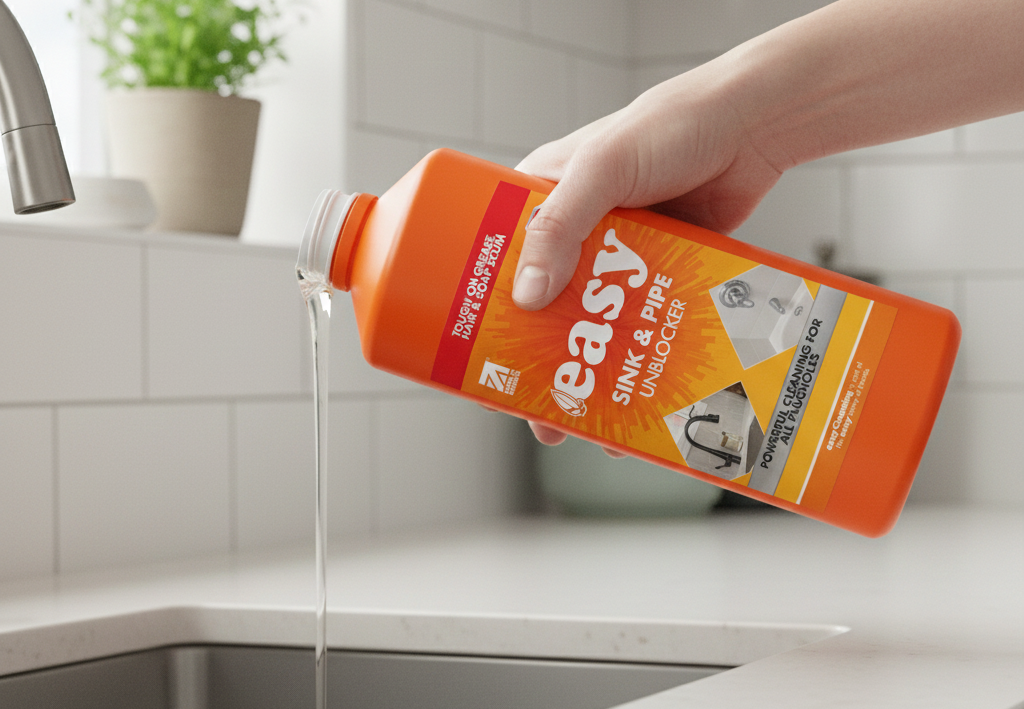
The Fix: Remove the drain cover and clean around the edges with a brush and hot soapy water. For minor buildup, pour a mixture of baking soda followed by white vinegar down the drain, let it fizz for 15 minutes, then flush with boiling water. For stubborn blockages and persistent odours, use EasyCleaning's Easy Sink and Pipe Unblocker, which effectively dissolves grease, food particles, and organic matter that cause those unpleasant smells. Do this weekly to prevent buildup.
3. The Refrigerator Drip Pan
Most people don't even know this exists. The drip pan sits underneath your refrigerator and collects condensation. Over time, this water evaporates, but dust, mold, and bacteria remain, creating a musty smell.
The Fix: Check your refrigerator manual to locate and remove the drip pan (usually at the front or back bottom). Wash it with hot, soapy water and a bit of bleach, rinse thoroughly, and dry completely before replacing. Do this every 3-6 months.
4. Inside Your Dishwasher
Your dishwasher cleans your dishes, but what cleans your dishwasher? Food particles accumulate in the filter, spray arms, and door seals, leading to a musty or sour smell that transfers to your supposedly clean dishes.
The Fix: Remove and scrub the filter under hot water. Wipe down the door seals with a damp cloth and vinegar. Place a cup of white vinegar on the top rack and run an empty hot cycle, followed by a cycle with baking soda sprinkled on the bottom. Do this monthly.
5. The Bin Itself
Even with a liner, your bin absorbs odours and collects drips and spills at the bottom. This becomes especially apparent in summer or if you forget to clean the bin itself.
The Fix: Take your bin outside and spray it down with a hose. Scrub the inside and outside with dish soap and hot water, then spray with a solution of one part white vinegar to one part water. Let it dry completely in the sun before bringing it back inside. Do this monthly, or more often if needed.
6. Sponges and Dishcloths
These are the dirtiest items in your kitchen. A damp sponge or dishcloth is a perfect environment for bacteria to multiply, and that bacteria creates a distinctive sour smell that spreads every time you wipe down a surface.
The Fix: Microwave damp sponges for one minute to kill bacteria (make sure they don't contain metal). Better yet, replace sponges weekly and dishcloths every few days. Wash dishcloths in hot water with bleach or vinegar.
7. The Microwave
Food splatters don't just sit on the surface—they get into the vents and crevices. When you heat something up, old food residue heats up too, releasing unpleasant odours.
The Fix: Fill a microwave-safe bowl with water and a few tablespoons of white vinegar or lemon slices. Microwave on high for 5 minutes, let it sit for another 2 minutes, then wipe down all interior surfaces. The steam loosens grime and the vinegar neutralises odours.
8. Behind and Under Appliances
Crumbs, spills, and forgotten food items accumulate in the spaces you can't easily see. These spots are warm, dark, and perfect for mold and bacteria growth.
The Fix: Pull out your stove, refrigerator, and other appliances quarterly to vacuum and mop behind them. Check for forgotten spills or food items. This is also a good time to check for any signs of pests.
9. Cabinet and Drawer Interiors
Spills, crumbs, and moisture seep into cabinets and drawers, especially those near the sink or stove. Over time, these create musty or stale odours.
The Fix: Don't just wipe visible spills. Remove drawers completely and vacuum out crumbs, then wipe down all interior surfaces with a disinfectant spray. EasyCleaning's Disinfectant Spray is perfect for this job as it not only kills bacteria but also eliminates odours at their source rather than just masking them. Pay special attention to corners and the undersides of drawers where grime accumulates. Replace old shelf liners if they've absorbed odours.
10. The Oven
Burnt food residue and grease buildup inside your oven create smoke and odours every time you use it. These smells permeate your entire kitchen.
The Fix: Use your oven's self-cleaning function if it has one, or make a paste of baking soda and water, spread it on interior surfaces (avoiding heating elements), let it sit overnight, then scrub and wipe clean. Clean spills immediately before they burn on.
Daily Habits to Keep Your Kitchen Fresh
Prevention is easier than cure. Here are some habits that make a real difference:
- Wash dishes promptly with a quality washing up liquid that cuts through grease effectively. EasyCleaning's fragranced washing up liquids not only tackle tough food residue but leave your sink area smelling fresh with pleasant scents like citrus, lavender, or green apple.
- Run the garbage disposal with cold water for at least 15 seconds after each use
- Wipe down surfaces immediately after cooking, especially around the stove
- Take out trash daily, even if the bag isn't full
- Open windows while cooking to allow steam and odours to escape
- Keep your sink dry when not in use to prevent bacterial growth
When to Deep Clean vs. Spot Clean
Not everything needs daily attention. Here's a quick schedule:
Daily: Dishes, counters, sink, bin Weekly: Microwave, stovetop, floors, drains Monthly: Dishwasher deep clean, bin, cabinet fronts Quarterly: Behind appliances, inside cabinets and drawers, refrigerator drip pan
The Bottom Line
A truly fresh kitchen requires looking beyond the obvious surfaces. By addressing these hidden odour sources with the right cleaning products and techniques, you can finally achieve that clean smell that matches your sparkling countertops.
Remember, using quality cleaning products designed specifically for kitchen challenges makes all the difference. EasyCleaning offers a complete range of kitchen cleaning solutions, from fragranced washing up liquids to powerful disinfectant sprays and effective drain unblockers, all formulated to tackle the toughest kitchen odours at their source.
Start with the biggest culprits on this list, establish a regular cleaning routine, and you'll notice the difference immediately. Your kitchen will not only look clean but smell genuinely fresh.